Ever walked into your living room to find your dog passed out flat on their back, all four paws pointing at the ceiling like a broken table? Or maybe curled so tight they look like a glazed cinnamon roll?
Dogs spend up to 14 hours a day snoozing. But their sleeping posture isn’t random—it’s an emotional status report on their stress levels, temperature, and exactly how safe they feel around you.
Here is what the 4 most common dog sleeping positions actually mean.
1. The “Crazy Legs” (Belly-Up)

The Vibe: “I own this house, and I trust you with my life.”
When your pup exposes their belly and lets their paws flop in every direction, take it as the ultimate compliment. In the wild, a dog’s abdomen holds their most vulnerable organs. Sleeping belly-up is evolutionary suicide unless they feel 100% secure in their environment.
- The Psychology: Zero anxiety, peak comfort, and total trust in their human pack.
- The Biology: Dogs only sweat through their paw pads and have thin fur on their bellies. This position exposes those cooling zones to airflow after high-energy zoomies.
2. The “Donut” (Curled into a Ball)

The Vibe: “Conserving energy, guarding the perimeter.”
Nose tucked under the tail, paws wrapped tightly into the chest. This is the classic ancestral posture seen in wolves and wild canines.
- The Psychology: Mild caution or self-soothing. If you’re in a new environment, have guests over, or your dog is naturally reserved, this pose shields vital organs and keeps muscles primed to jump up instantly.
- The Biology: Heat retention. If the AC is blasting or the floor is chilly, curling up traps body heat inside the core.
3. The “Superman” (The Flying Sploot)

The Vibe: “Five-minute power nap before round two.”
Stomach flat against the floor, front legs reaching forward, back legs stretched out behind like a superhero mid-flight. You see this constantly with puppies and high-drive breeds.
- The Psychology: High energy and ready to launch. This is a light nap, not deep sleep. If a treat bag crinkles, they’re airborne in 0.2 seconds.
- The Biology: Direct belly-to-floor contact provides instant cooling against hardwood or tile.
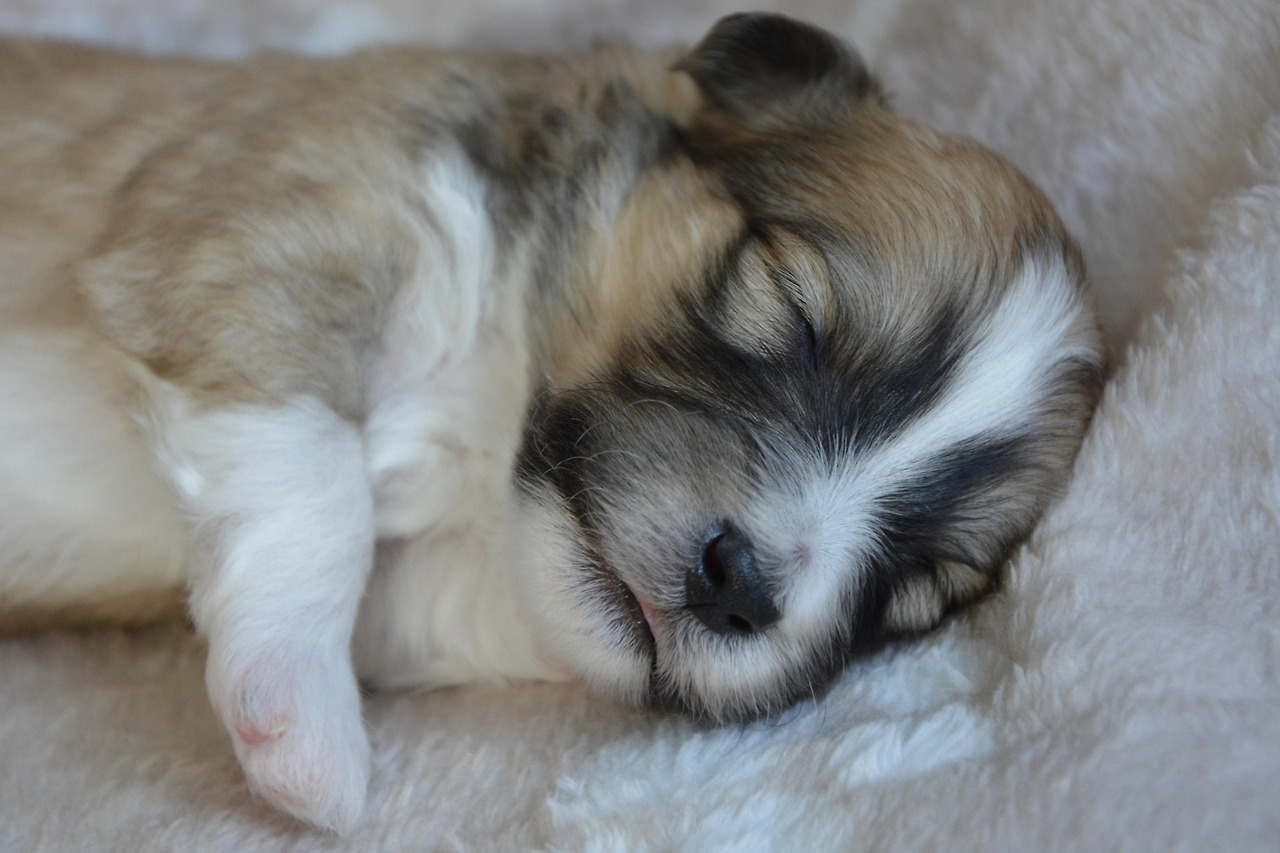
4. The “Side Sleeper”

The Vibe: “Do not disturb: entering deep dream mode.”
Lying peacefully on one side with legs relaxed and fully extended is the go-to posture for relaxed household dogs.
- The Psychology: Pure calm and security. They don’t feel the need to guard their vitals (unlike the Donut), but they aren’t overheating (unlike the Belly-Up).
- The Biology: This is where REM sleep happens. If you see their paws twitching, eyelids fluttering, or hear little muffled “boofs,” they’re happily chasing squirrels in dreamland.
⚡ Pro Tip: The “Let Sleeping Dogs Lie” Rule
If your dog is twitching or whimpering during REM sleep, resist the urge to shake them awake. Startling a dog out of deep sleep triggers their instinctive startle reflex, which can cause confusion or an accidental nip.
Take a quick photo, keep the room cozy, and let them recharge.
How is your pup sleeping right now? Drop their signature pose in the comments below! 🐾