5 Daily Habits That Add Years to Your Dog’s Life
Full Article Summary
- The 2-Year Weight Advantage: Keeping your dog at a lean Body Condition Score (BCS 4–5) reduces systemic cellular inflammation, proven by clinical lifetime trials to extend life expectancy by 1.8 to 2.5 years.
- Periodontal Defense Mechanism: Plaque turns to calculus within 72 hours, harboring anaerobic bacteria that enter the bloodstream and cause irreversible micro-damage to the mitral heart valves and kidneys.
- The “Age 7” Diagnostic Pivot: Canine biology ages roughly five human years per calendar year; switching to proactive biannual senior panels (CBC, chemistry with SDMA, chest radiographs) catches organ decline before visible symptoms emerge.
- De-escalating Cardio for “Sniffaris”: Intense physical runs trigger joint inflammation in older dogs, whereas slow, scent-driven decompression walks lower cortisol, stimulate neuroplasticity, and delay Canine Cognitive Dysfunction (CCD).
- Subclinical Dehydration Protocols: Senior canine brains become desensitized to thirst signals. Floating kibble in bone broth or integrating moist toppers preserves kidney filtration and prevents chronic renal wear.
Last Saturday morning, I was sitting on my front porch with a mug of black coffee, watching my rescue pup, Buster, lounge in a patch of morning sun. As he tilted his head to track a squirrel darting across the lawn, the light caught the fur around his muzzle. It was almost entirely silver.
My chest tightened. It felt like just last week I was wrestling a 10-week-old ball of chaos who thought my baseboards were chew toys and my running shoes were personal enemies. Now, he was officially a senior dog.
If you stroll down the aisles of any pet boutique or browse online pet forums in the US, you will find endless “miracle” longevity powders, freeze-dried cellular supplements, and anti-aging elixirs priced like liquid gold. American pet parents spend billions chasing longevity in a plastic tub. But true canine longevity—the kind where your four-legged family member stays clear-eyed, pain-free, and energetic into their mid-teens—does not come from a trendy supplement. It comes down to five quiet, scientifically validated daily micro-habits that cost next to nothing.
1. Ditch the “Chunky Dog” Normalization (The 2-Year Lifespan Bonus)
In modern American pet culture, we express affection through food. We split the crust of our pizza, hand out Pup Cups at the drive-thru, and giggle at chunky dogs online. But veterinary science tells a grim truth: chronic excess weight is the number one thief of canine lifespan.
The landmark 14-year Purina Lifelong Study proved that dogs kept at an optimal, lean Body Condition Score (BCS 4 to 5) lived an average of 1.8 to 2.5 years longer than their slightly overweight littermates. Fat tissue is not inert insulation; it is an active endocrine organ that constantly leaks inflammatory cytokines into your dog’s bloodstream. This low-grade, whole-body inflammation destroys joint cartilage, spikes insulin resistance, and crushes the cardiovascular system.
Stand directly over your dog. You should see a noticeable hourglass waistline tucked behind their ribcage. When you glide your palms along their sides, you should feel each rib effortlessly under a thin layer of muscle—similar to running your knuckles over the back of your hand. If you have to push inward to locate their ribs, cut daily rations by 15% and swap calorie-dense processed treats for raw baby carrots or green beans.
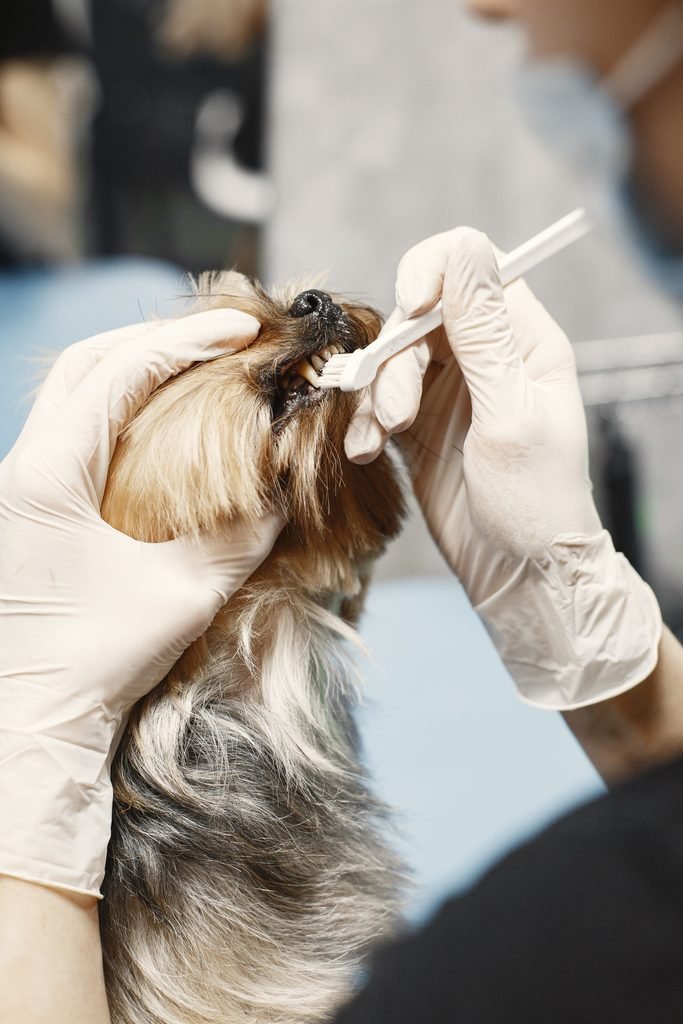
2. The 60-Second Dental Habit That Protects Their Heart
We often laugh off “dog breath” as a harmless canine quirk. It isn’t. Severe mouth odor is the aroma of active tissue necrosis and unchecked bacterial colonization.
Because canine saliva is naturally alkaline, microscopic food debris calcifies into hard tartar within 72 hours. Once bacteria push beneath the gumline, they establish periodontal pockets. Every time an infected dog chews a tennis ball or eats dinner, tiny capillaries tear, discharging anaerobic bacteria directly into the central bloodstream.
From there, this chronic bacterial shower targets two primary filtration systems: the delicate leaflets of the mitral heart valve and the microscopic nephrons of the kidneys. Daily toothbrushing with an enzymatic canine toothpaste breaks this destructive cycle. Dental chews and water additives help with surface friction, but they cannot physically sweep beneath the gingival pocket where systemic damage begins. A single minute of nightly brushing can save you thousands in specialty vet bills and add years of clean organ function to your dog’s life.
3. Implement the Proactive “Age 7” Clinical Shift
Dogs descend from apex predators, but their survival instinct carries a major flaw in domestic life: they masterfully conceal chronic pain and internal illness. In the wild, showing weakness invites danger, so a dog with stage-two chronic kidney disease or early heart disease will wag their tail and chase a ball until their organs are nearly exhausted.
In veterinary medicine, any dog over seven years old is officially considered a senior. Because dogs age approximately 4 to 5 physiological years for every human calendar year, relying on an annual vaccine visit is no longer safe.
Schedule comprehensive senior workups every six to twelve months. Demand these specific baseline diagnostics:
- Complete Blood Count (CBC) & Chemistry 17: Monitors red and white cell lines, liver values, and systemic protein levels.
- SDMA Biomarker: Detects kidney impairment when only 25% to 40% of function is lost, compared to traditional creatinine, which only spikes after 75% organ destruction.
- Baseline Chest Radiographs: Evaluates subtle cardiac enlargement (Vertebral Heart Score) and screen lung fields long before an emergency cough begins.
4. Trade Exhausting Cardio for Mental “Sniffaris”
As our dogs age, many owners make the mistake of pushing them through long, strenuous jogs or intense fetch sessions to “keep them in shape.” For an aging musculoskeletal frame, high-impact running on asphalt induces micro-tears in arthritic joints and drives cortisol levels through the roof.
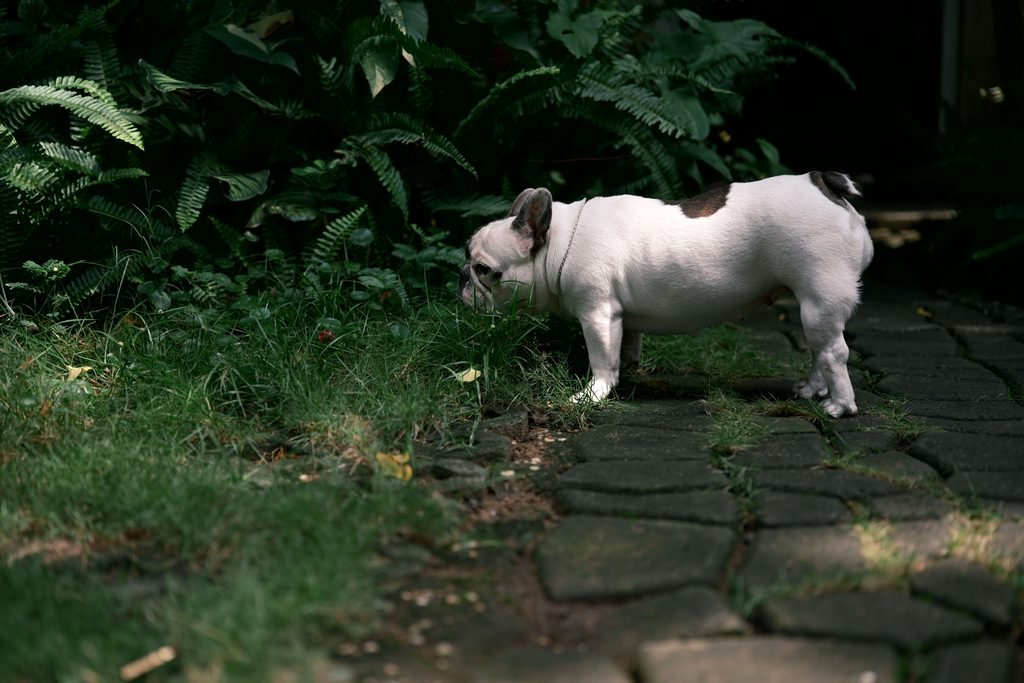
What an aging dog desperately needs is mental activation. Swap half of your rigorous walking time for a “sniffari”—a decompression walk on a long, loose leash where your dog dictates the route, pauses at every mailbox, and sniffs tree trunks for minutes on end.
A dog’s olfactory bulb is proportionally 40 times larger than a human’s, consuming roughly 10% of their total brain resources. Deep sniffing activates neuroplasticity, floods the brain with serotonin and dopamine, and burns mental energy without stressing aging hips or knees. Clinical canine behavioral research indicates that consistent daily scent enrichment is the single most effective non-medical tool for preventing or delaying Canine Cognitive Dysfunction (CCD)—the canine equivalent of Alzheimer’s disease.
5. Outsmart Subclinical Senior Dehydration
Have you ever noticed your older dog drinking significantly less water throughout the day? As canines advance into their golden years, the osmoreceptors in the brain that trigger the sensation of thirst become blunted. They simply do not realize when their hydration drops into the danger zone.
Subclinical, long-term dehydration turns the blood thick and viscous, making it harder for the heart to pump and forcing the kidneys to filter concentrated metabolic waste under extreme pressure.
You can fix their hydration without forcing them to drink:
- Float Their Kibble: Add warm water or low-sodium, all-natural bone broth (strictly onion- and garlic-free) to dry food 10 minutes before feeding until it forms an aromatic gravy.
- Transition to High-Moisture Nutrition: Mix in quality wet food, gently cooked toppers, or rehydrated freeze-dried formulas containing 70% to 80% natural moisture.
- Scatter Hydration Stations: Senior dogs suffering from hidden spinal or hip stiffness often skip a drink simply because getting up and walking across slippery hardwood floors to the kitchen hurts. Place shallow ceramic or stainless steel water dishes in every room where your dog sleeps.
Watching our dogs grow old is a bittersweet journey. We cannot stop the clock, but by ditching high-priced gimmicks and mastering these five foundational habits, we can ensure their golden years are packed with vitality, comfort, and deep joy.