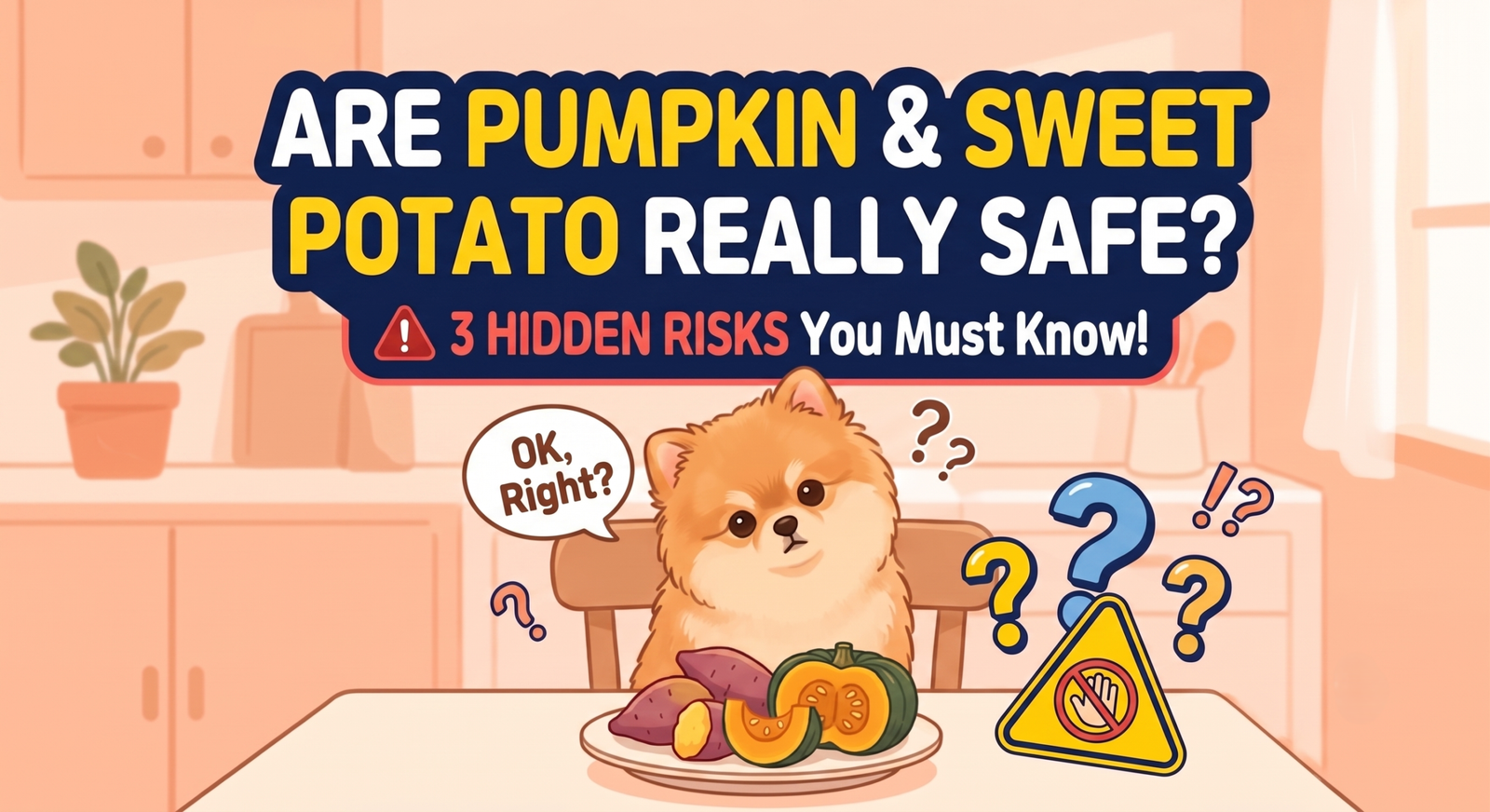
💡 Quick Takeaways: Sweet Potatoes & Pumpkin for Dogs
- Can Dogs Eat Them? Yes! (100% safe when fully cooked, unseasoned, and served in moderation)
- Key Health Benefits: Packed with dietary fiber to soothe digestion, and rich in beta-carotene and vitamins for immune and eye health.
- Essential Prep Rules: Remove skins and squash seeds completely; steam or boil plain (no butter, salt, or spices); cool down and mash before serving.
- Dogs at Risk: Diabetic dogs (high glycemic spikes), dogs with chronic kidney disease (high potassium load), and overweight dogs on calorie deficits.
- Daily Treat Limit: Keep under 10% of their total daily caloric intake (for small dogs, roughly 1 to 2 bite-sized teaspoons).

The moment the warm, sweet aroma of freshly steamed sweet potatoes or pumpkin fills your kitchen, your pup is likely right by your feet. With an intense, puppy-eyed gaze and a tail wagging at top speed, they make it almost impossible to resist sharing a warm scrap from the counter.
While commercial treats packed with artificial preservatives can make pet parents uneasy, whole foods from the pantry feel like a wholesome alternative. But before scooping a generous helping into your dog’s bowl, it helps to know the nutritional benefits, proper prep rules, and hidden medical risks behind these starchy favorites.
1. The Nutritional Superpowers of Sweet Potatoes & Pumpkin
Both sweet potatoes and culinary squash (like Kabocha, butternut, or plain pumpkin) offer impressive health perks for canines when served in moderation.
- Digestive Balance & Bowel Regularity: Packed with both soluble and insoluble dietary fiber, they nourish beneficial gut flora. Pumpkin in particular serves as a gentle digestive regulator—firming up loose stool while softening stubborn constipation.
- Antioxidant Surge & Eye Health: Rich in beta-carotene, which converts into vitamin A inside the canine body. This essential antioxidant fights oxidative stress, supports visual health in aging dogs, and strengthens the skin’s barrier against seasonal allergens.
- Easily Digestible Energy & Gentle Hydration: Steamed sweet potatoes provide clean, complex carbohydrates that slowly release energy throughout the day without synthetic fillers. Their high natural moisture content also provides passive hydration for pups who rarely drink enough water.
2. The 3-Step Foolproof Prep Guide for Sensitive Stomachs
Even the healthiest superfood can quickly turn into a gastrointestinal nightmare or a dangerous choking hazard if prepared carelessly. Follow this simple 3-step routine before serving:
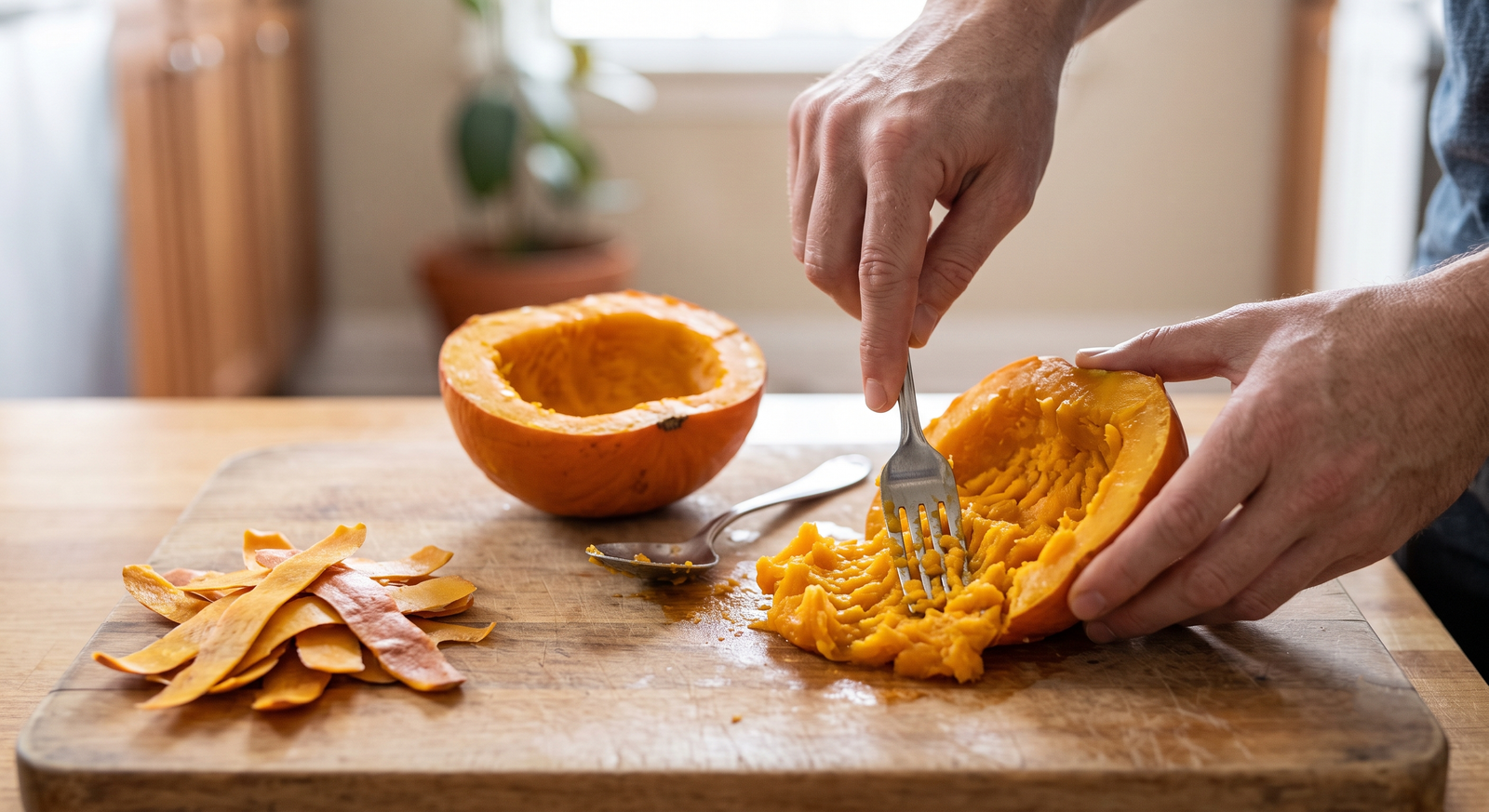
- Step 1: Completely Remove Skins and Squash Seeds
- Pumpkin Seeds: Raw or large squash seeds are dense, hard, and abrasive. They will not break down in canine gastric acid and can easily cause severe intestinal blockages or mucosal irritation, especially in toy and small breeds.
- Tough Peels: Both potato and pumpkin skins contain dense fibrous cellulose that can trigger sudden vomiting or diarrhea. Stick strictly to the soft inner flesh.
- Step 2: Never Serve Raw—Steam or Boil Thoroughly
- Raw sweet potatoes contain complex starches that are virtually indigestible for dogs, leading to painful gas, abdominal bloating, and stomach cramps. Steam or boil until you can effortlessly mash them with a fork. Never add butter, salt, garlic, brown sugar, or spices.
- Step 3: Cool to Room Temperature and Mash into a Puree
- Unlike us, dogs do not blow on hot food—they inhale it whole. Always test the center with the back of your hand to ensure it is completely cool. Mash the cooked flesh into a smooth puree or slice it into tiny, bite-sized cubes to eliminate choking risks.
3. Critical Medical Warnings Pet Parents Must Know
Natural whole foods are not a one-size-fits-all solution for every pup. If your dog falls into any of the following categories, exercise extra caution:
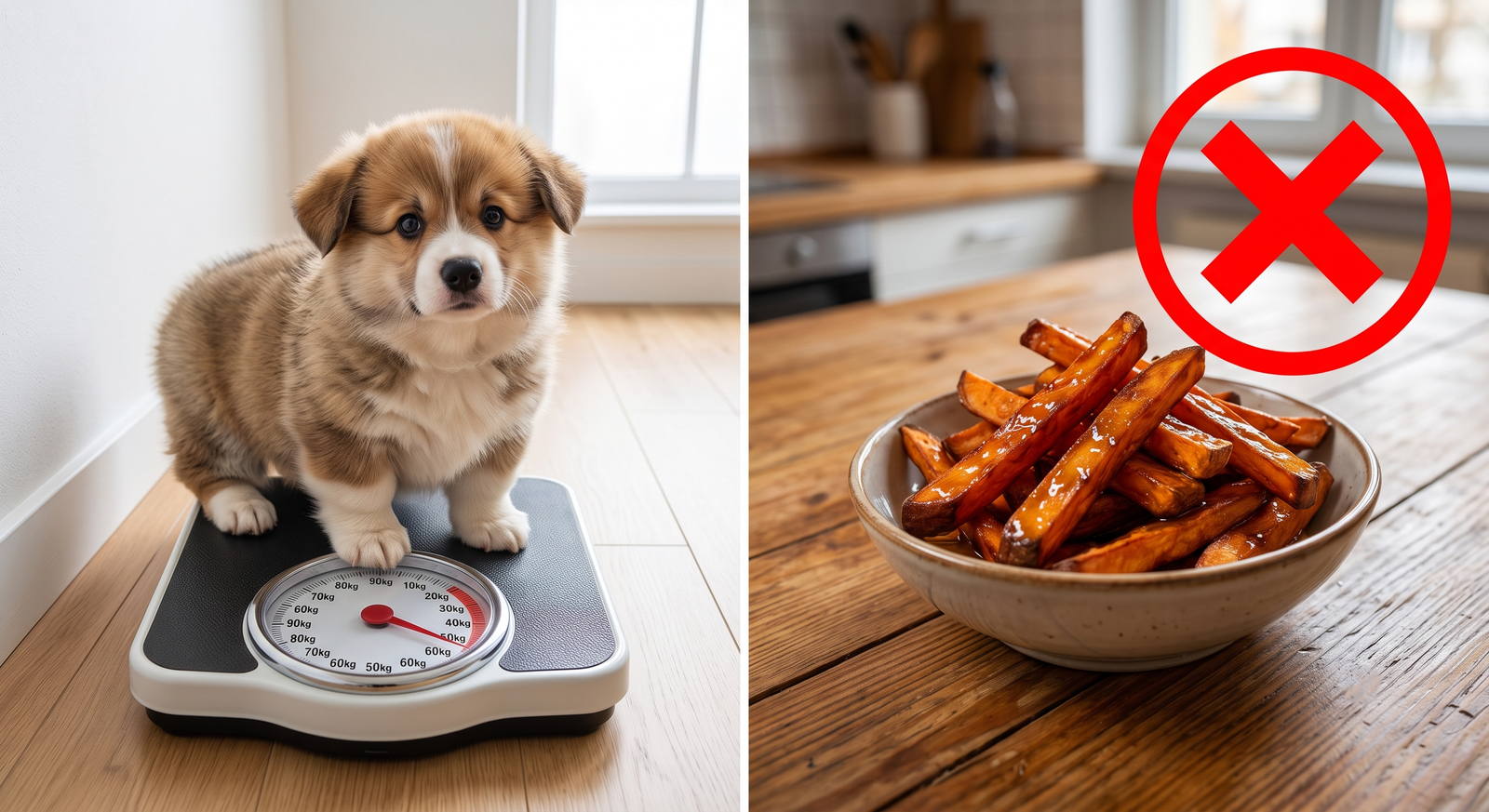
- Blood Sugar Spikes & Diabetes Concerns: Steaming and baking dramatically increase the glycemic index (GI) of sweet potatoes. The rapid release of natural sugars puts immediate strain on the pancreas, making them unsuitable for diabetic or insulin-resistant dogs.
- Kidney & Heart Disease Risks: Both vegetables are naturally rich in potassium. Dogs with compromised renal function cannot efficiently filter excess potassium from their bloodstream, increasing the risk of hyperkalemia and dangerous cardiac arrhythmias.
- Weight Gain & Caloric Density: Because these root vegetables are dense in carbohydrates, frequent snacking adds up fast. For sedentary indoor dogs or pets managing joint issues like arthritis, extra pounds can worsen mobility problems.

4. Safe Daily Portions & Introduction Rules
Treats should strictly remain occasional rewards—they must never exceed 10% of your dog’s total daily caloric allowance, keeping their primary diet balanced.
- Toy Breeds (Under 7 lbs / 3 kg): 1/2 to 1 level teaspoon.
- Small Breeds (7–15 lbs / 3–7 kg): 1 to 2 teaspoons (about the size of your thumb).
- Medium Breeds (16–35 lbs / 8–16 kg): 1 to 1.5 tablespoons.
- Large Breeds (36+ lbs / 16+ kg): Up to 2 to 3 tablespoons (or about 1/4 of a small sweet potato).
The First-Time Rule: If your dog has never tasted pumpkin or sweet potato, start with a tiny morsel the size of your pinky fingernail. Monitor them closely for 24 hours for signs of food sensitivities, such as excessive itching, tear staining, ear scratching, or loose stools.
Homemade steamed sweet potato and pumpkin puree can be a comforting, nutrient-dense treat that beats store-bought processed snacks every single time. As long as you peel them clean, cook them plain, and stick to strict portion control, your furry best friend can safely enjoy this delicious kitchen staple right alongside you.