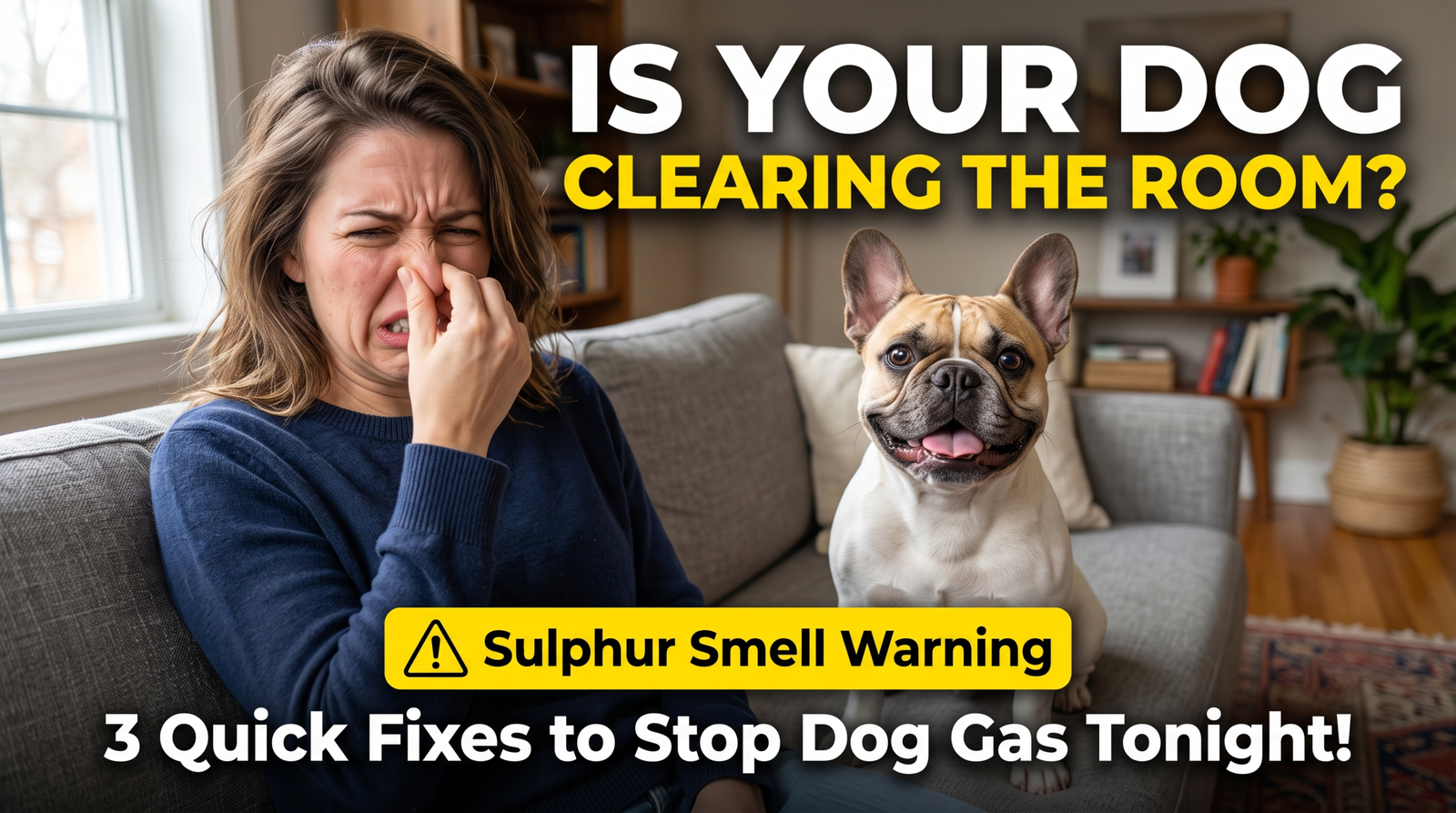
Is Your Dog Clearing the Room? 4 Causes of Sulphur Gas & Fast Home Fixes
✨abridgement
- Why Dog Gas Happens: Fast eating habits (aerophagia), cheap filler ingredients (corn, soy), sudden diet changes, and fatty table scraps cause foul fermentation.
- Immediate Solutions: Use maze slow-feeder bowls, introduce high-potency canine probiotics, and stick to a strict 7-day kibble transition protocol.
- When to See a Vet: Chronic foul sulphur smells paired with abdominal bloating, vomiting, diarrhea, or sudden lethargy signal digestive disorders like IBD or EPI.
Every dog owner knows the drill: you’re relaxing on the couch on a Sunday afternoon, watching the football game with a slice of pizza, when an invisible cloud of pure sulphur clears the entire living room. My rescue hound, Cooper, is an absolute master of this silent-but-deadly routine. Last summer, after he snuck a tiny piece of smoked brisket during our backyard barbecue, his stomach started gurgling like a freight train, and the smell was potent enough to make us evacuate the room for hours.
While occasional dog farts are completely natural, frequent, room-clearing gas is your pup’s digestive tract waving a red flag. If your dog turns into a four-legged gas factory after every meal, let’s break down what is happening inside their gut and how to fix it fast.
The Top 4 Hidden Triggers Behind Excessive Dog Gas
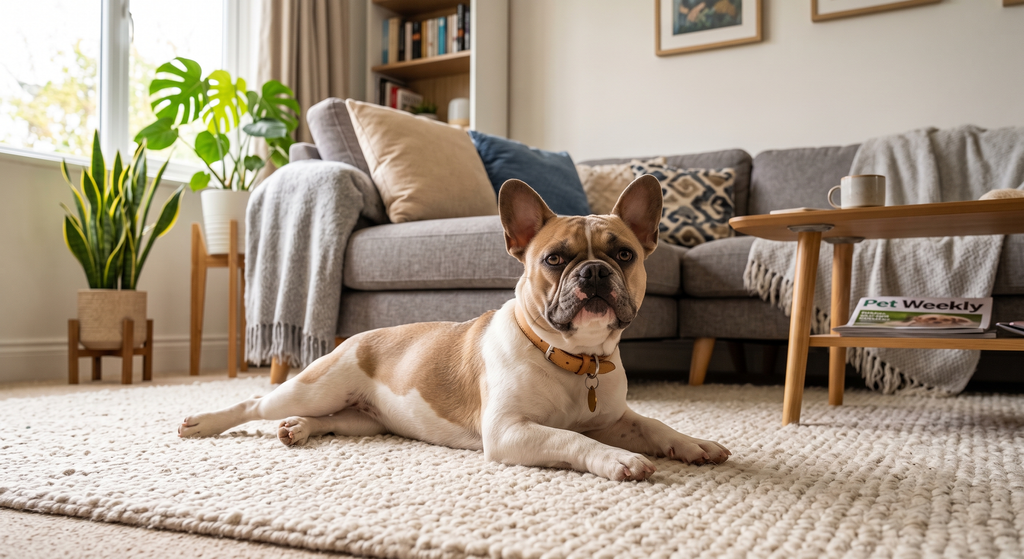
- 1. Aerophagia (Swallowing Excessive Air): Dogs that inhale their kibble in under thirty seconds swallow massive amounts of atmospheric air. Brachycephalic (flat-faced) breeds like Frenchies, Pugs, and Boxers naturally swallow even more air due to their respiratory structure. That swallowed air has to escape somewhere—usually with plenty of noise.
- 2. Low-Grade Fillers and Food Intolerances: Cheap commercial dog foods packed with soy, corn gluten, wheat, and pea protein can be tough for a canine’s short digestive tract to process. When undigested carbohydrates reach the large intestine, bacteria ferment them, creating pungent hydrogen sulphide gas.
- 3. Abrupt Diet Transitions: Switching kibble brands overnight throws the canine microbiome into chaos. Beneficial gut bacteria need time to adapt to new protein sources and fat concentrations.
- 4. High-Fat Human Foods: Table scraps like bacon, cheese, hot dogs, and greasy meat trimmings overwhelm the pancreas and gallbladder, leading to malabsorption and foul stool odors.
How to Neutralize Dog Gas: 4 Proven Home Fixes
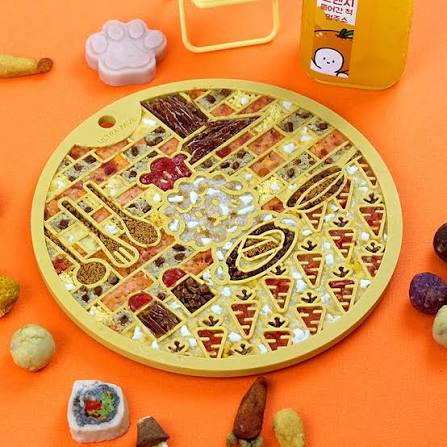
1. Switch to a Slow Feeder or Snuffle Mat
If your pup treats mealtime like an Olympic sprint, upgrade to a maze-style slow bowl or a textured snuffle mat immediately. Extending mealtime from 45 seconds to 6–8 minutes cuts swallowed air by over 70%, immediately stopping loud post-meal flatulence.
2. Follow the 7-Day Kibble Transition Rule
Never switch dog food brands cold turkey. Introduce the new formula gradually to give digestive enzymes time to adjust:
- Days 1–2: 75% Old Kibble + 25% New Kibble
- Days 3–4: 50% Old Kibble + 50% New Kibble
- Days 5–6: 25% Old Kibble + 75% New Kibble
- Day 7: 100% New Kibble
3. Add Daily Canine Probiotics & Digestive Enzymes
A high-quality, vet-formulated probiotic helps restore balanced gut flora, breaking down complex nutrients before they turn into rotten-egg odors in the colon. Look for strains like Enterococcus faecium and Bacillus coagulans.
4. Post-Meal Walking Routine
A gentle 15-minute leashed walk roughly 30 minutes after feeding stimulates peristalsis, helping gas pass naturally outside rather than building up painful abdominal pressure indoors.
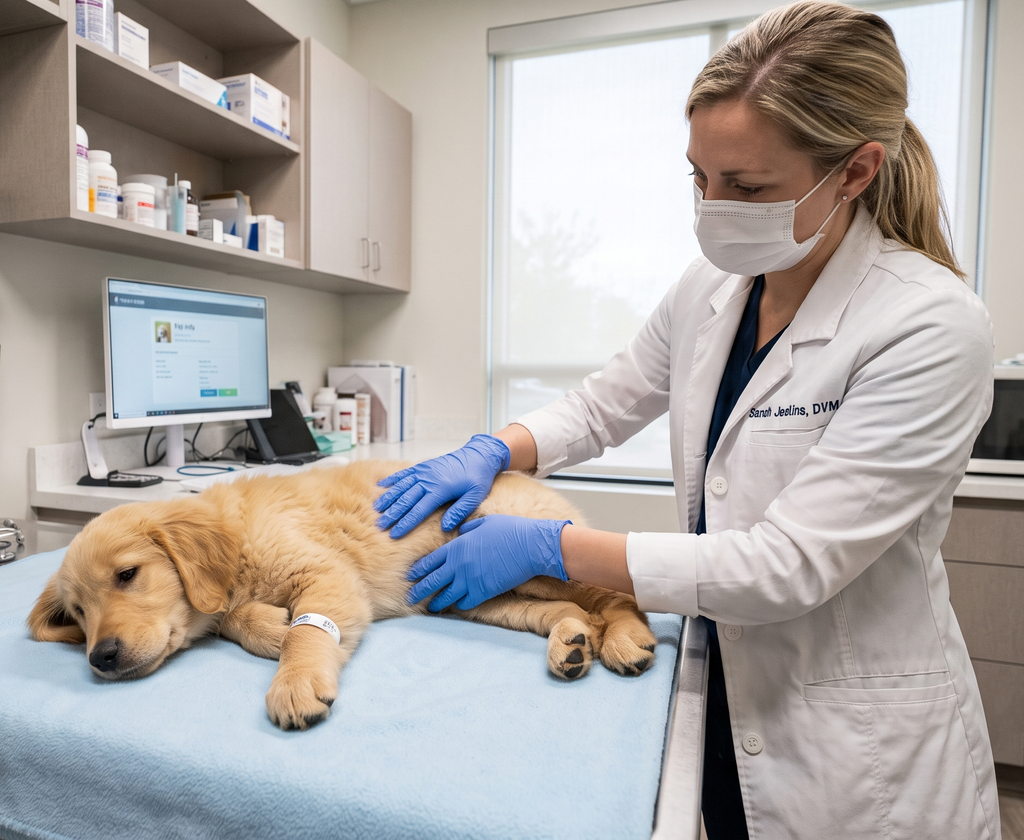
🚨 Critical Warning Signs: When Gas Means a Vet Visit
Occasional flatulence is harmless, but persistent, pungent gas combined with any of the following symptoms requires professional diagnostic testing:
- A tight, swollen, or distended abdomen (risk of Gastric Dilatation-Volvulus/Bloat).
- Accompanying watery diarrhea, persistent vomiting, or black/tarry stool.
- Sudden loss of appetite, whining when picked up, or extreme lethargy.
Tackling excessive flatulence is simply a matter of slowing down their eating speed, eliminating greasy treats, and supporting their gut flora. Take control of your dog’s digestion today so everyone in your home can breathe easy again!