What to Feed a Dog with an Upset Stomach: Gentle At-Home Recovery Meals
Summary of the Article
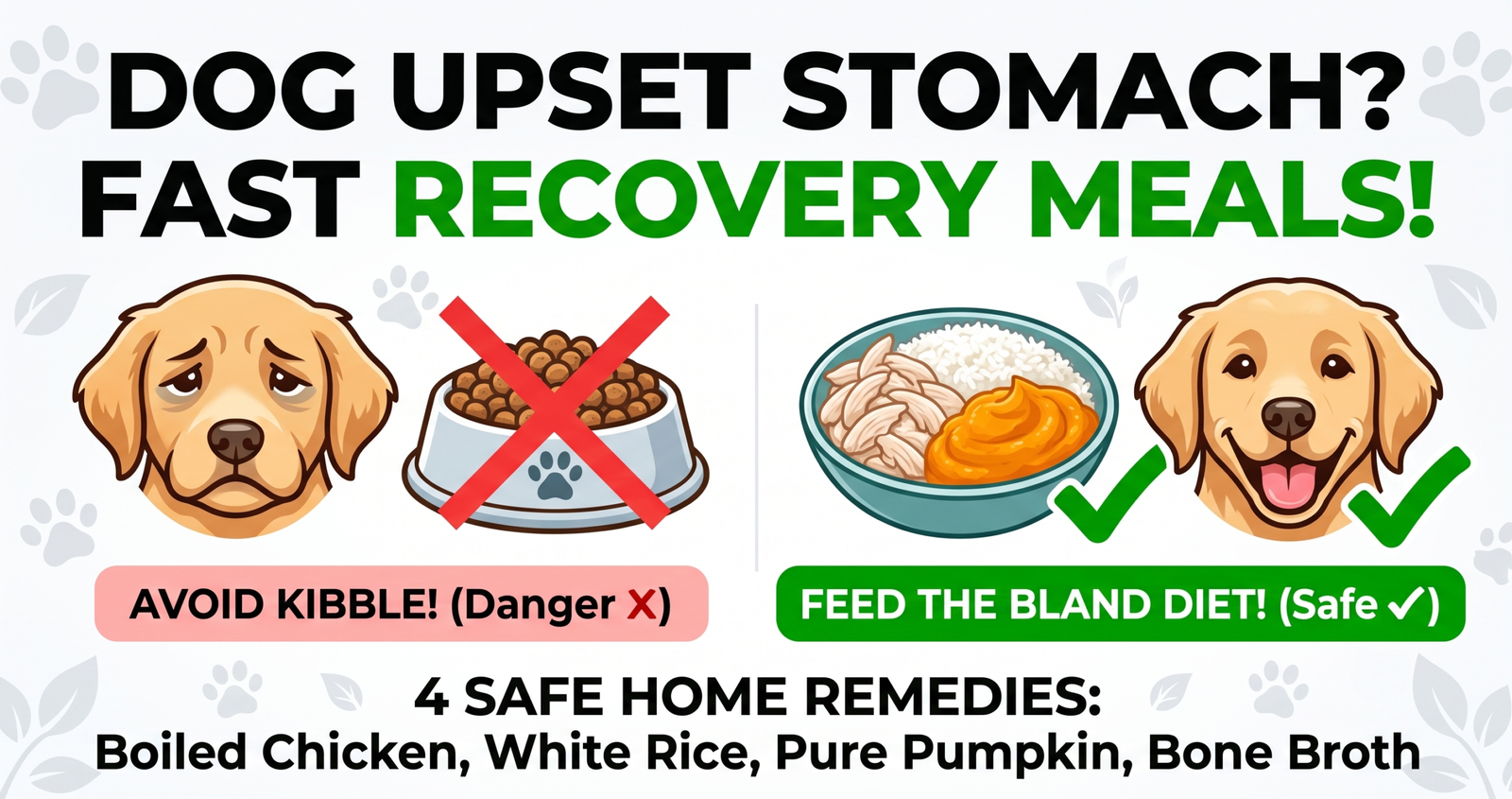
When your dog wakes up with a sudden mild stomach ache or loose stool, immediately feeding rich kibble or fatty treats will only worsen irritation. Resting their digestive system with a brief 12-hour fasting period followed by a strict bland diet—such as boiled skinless chicken breast and plain white rice, 100% pure pumpkin puree, or low-sodium bone broth—provides soothing, easily digestible nutrition. This guide covers safe recovery portions, transition timelines, and critical signs that indicate it’s time to visit the animal clinic.
Every dedicated dog parent knows that specific, chilling sound in the dead of night: the heavy, rhythmic gagging coming from the living room rug at 3:15 AM.
A couple of years ago, my rescue hound mix decided to sneak a buttery crust off the kitchen island during Sunday dinner prep. By dawn, he was curled up in his bed, refusing his morning breakfast and looking up at me with unmistakable “my tummy hurts” eyes. As someone who has spent years testing safe homemade pet recipes and navigating the stressful maze of canine digestive flare-ups, that familiar wave of panic hit. You want to offer comfort immediately, but dumping normal kibble or rich gravy into an inflamed canine stomach is the quickest way to guarantee another messy cleanup an hour later.
While I am not a veterinarian—and you must always consult a medical professional if your dog exhibits severe distress—mild dietary indiscretions can often be managed at home using gentle, easily digestible foods that let the gastrointestinal tract reset.

Step 1: The 12-Hour Reset (Fasting & Hydration)
Before offering any solid food, the most effective first move is usually to press pause. When a dog’s stomach lining is inflamed (acute gastritis), processing even mild kibble forces the pancreas and stomach muscles to work overtime.
- Withhold solid food for 12 hours: For healthy adult dogs, skipping one meal allows gastric irritation to calm down. (Note: Never fast tiny puppies under 6 months or toy breeds prone to hypoglycemia without specific veterinary guidance).
- Hydration without gulping: Offer small amounts of fresh water every few hours or provide clean ice cubes to lick. Gulping an entire bowl of cold water on an empty, irritated stomach frequently triggers a sudden regurgitation reflex.
Step 2: Step 2: The Classic Bland Diet for Dog Upset Stomach
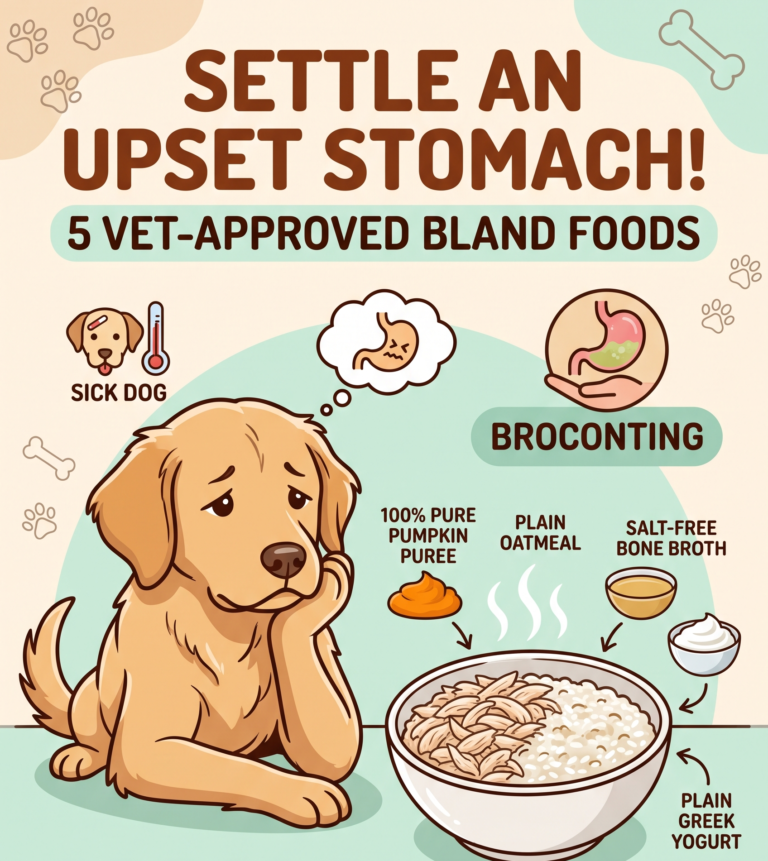
Once the 12-hour fasting window passes without further vomiting, you can introduce the gold standard of at-home digestive recovery: a simple two-ingredient bland bowl.
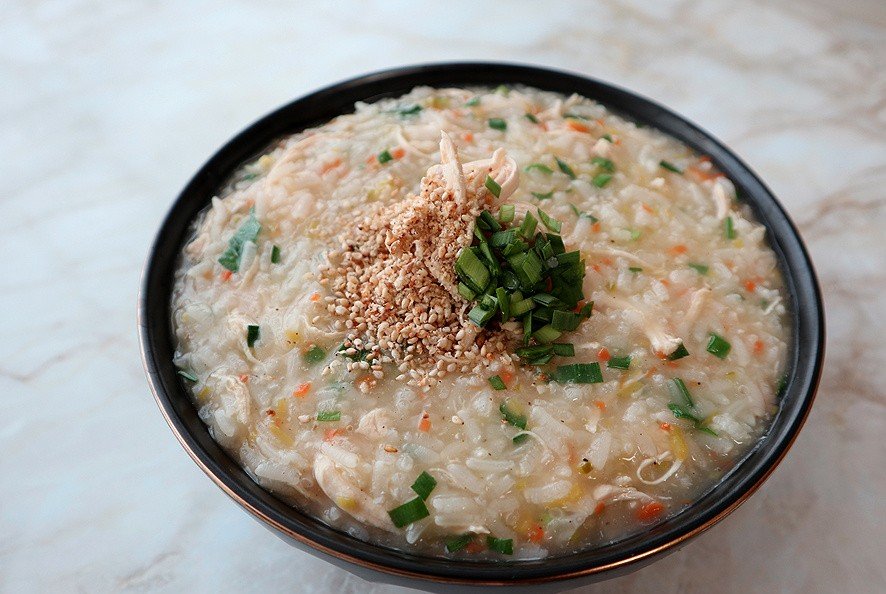
- Ingredients: Boneless, skinless white chicken breast and plain white long-grain rice.
- Preparation: Boil the chicken thoroughly in plain water without any butter, oils, garlic, onions, or salt. Shred it finely. Cook the white rice with slightly more water than usual to create a softer, moist texture.
- Why White Rice instead of Brown Rice? Many health-conscious owners instinctively reach for brown rice, but brown rice contains tough outer husks and high fiber, which is difficult for an inflamed gut to process. Plain white rice provides immediate, soothing starch that binds loose stool without irritating the intestinal wall.
- Ratio and Feeding: Combine 1 part shredded boiled chicken with 2 parts cooked white rice. Feed miniature portions—roughly 2 to 3 tablespoons for a medium dog—every four hours rather than one massive bowl.
Step 3: Pure Canned Pumpkin (Nature’s Stool Balancer)
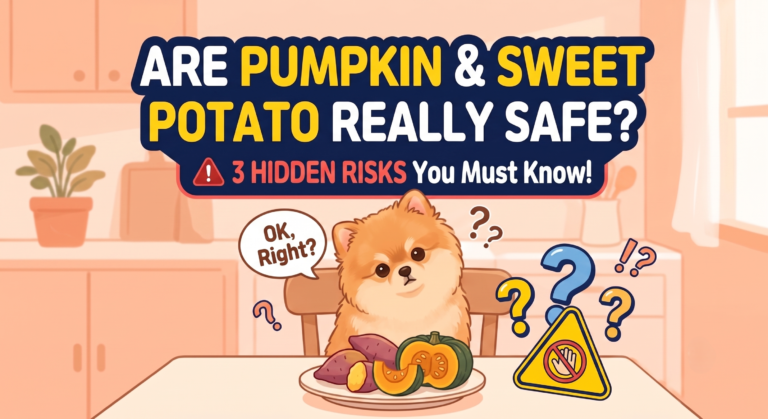
Plain canned pumpkin is an absolute staple in any dog owner’s pantry. It contains high amounts of soluble fiber and essential potassium, which helps firm up loose stool by absorbing excess water while gently lubricating the intestinal tract.
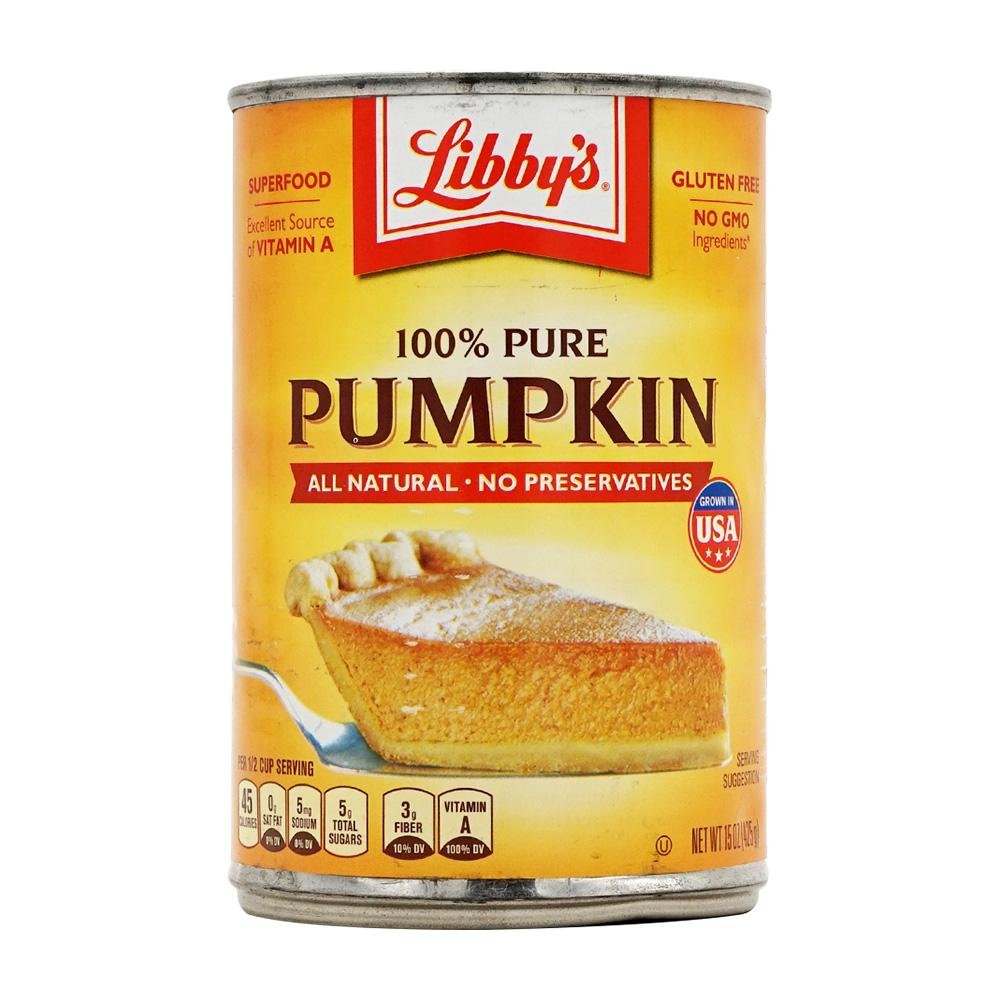
- Crucial Rule: Always check the ingredient label carefully. You need 100% pure pumpkin puree, NOT canned pumpkin pie mix. Pumpkin pie filling contains added sugars, nutmeg, and potential spices like allspice that are harmful to canines.
- How to serve: Add 1 tablespoon (for small dogs) to 2 tablespoons (for medium-to-large dogs) directly on top of their chicken and rice bowl.
Step 4: Warm Bone Broth for Electrolyte Recovery
If your dog is reluctant to chew solid food or seems weak after an episode of diarrhea, warm bone broth can stimulate appetite while replenishing vital electrolytes.
- Use unsalted, unseasoned beef or chicken bone broth made specifically for pets, or make a quick batch at home by simmering beef marrow bones in filtered water for several hours without adding alliums or seasonings.
- Drizzle 2 to 3 tablespoons of warm broth over their plain rice to make it fragrant and enticing for a dog that has temporarily lost its appetite.
When to Stop Home Remedies and Call the Clinic
A bland home-cooked diet is intended exclusively for mild, uncomplicated dietary upsets that resolve within 24 to 48 hours. If your dog exhibits any of the following warning signs, do not wait for home cooking to work:
- Extremely pale, dry, or tacky gums
- Vomit containing bright red blood or dark coffee-ground textures
- A distended, hard, or painful abdomen (a critical emergency indicator of GDV/bloat)
- Extreme lethargy, collapse, or fever
- Unproductive retching where the dog tries to vomit repeatedly but brings up only thick white foam
If your pup perks up, displays normal energy, and produces firmer stool after 24 to 36 hours on chicken and rice, begin blending their regular kibble back into the bland mix gradually over a 4-day period (25% kibble on day one, 50% on day two, 75% on day three) until their normal diet is restored safely.
When dealing with a mild dog upset stomach, patience and gentle hydration are key.